3-Day Journey · History & Heritage

The Bahdinan Emirate

Bahdinan, Rivers, Mountains & Heritage: from Zakho and Duhok to Amedi, Barzan, Akre and Lalish.

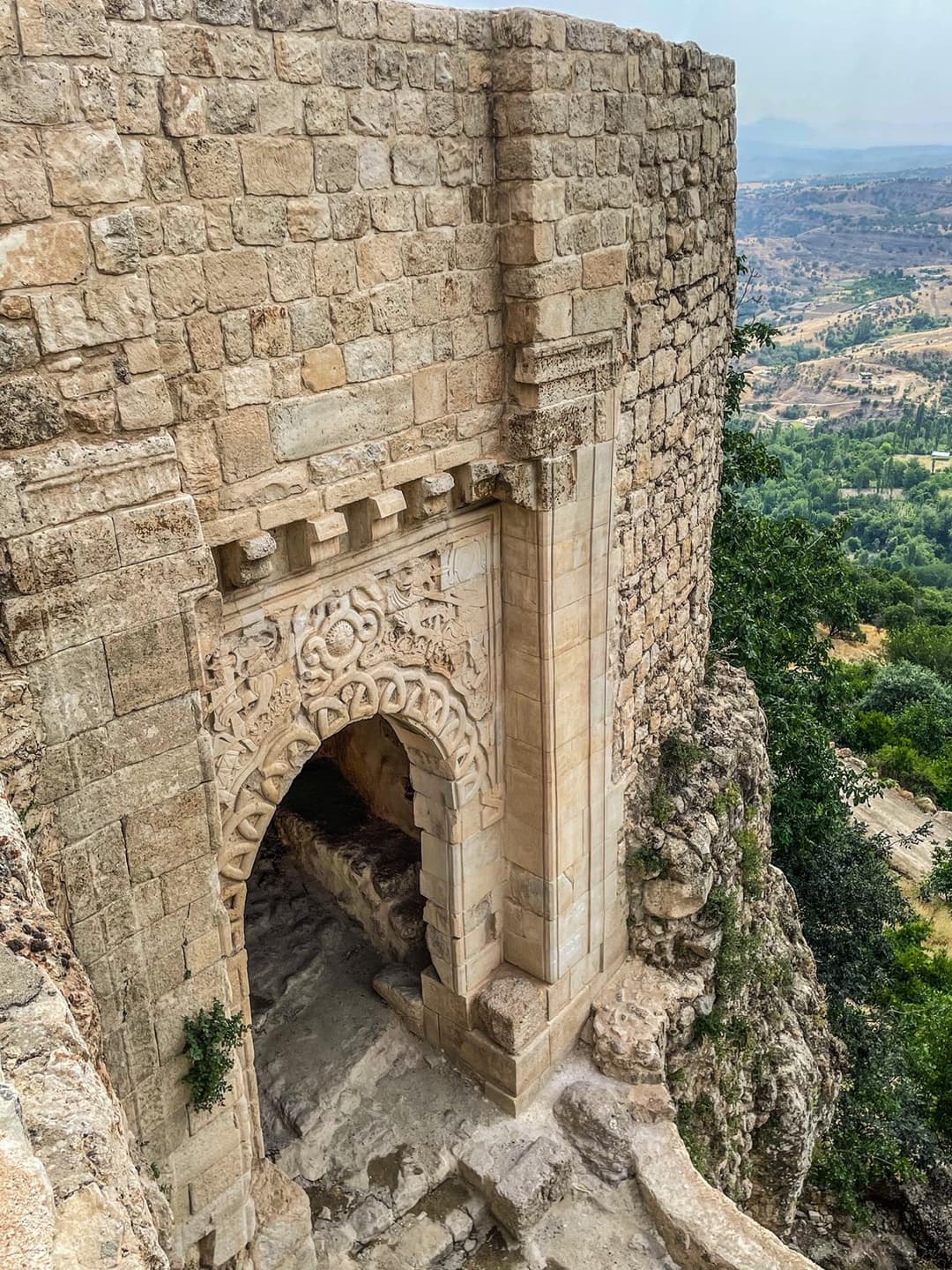
The Mosul Gate of Amedi

Discover the historic heart of Bahdinan, one of the great cultural regions of northern Mesopotamia. Stretching from the Khabur River in the west to the Greater Zab River in the east, this mountainous landscape has been shaped by centuries of movement, settlement, trade and cultural exchange.

Our journey takes us from the historic city of Zakho, through the archaeological sites and mountain landscapes around Duhok, to the spectacular mountain citadel of Amedi, and onward to the historically rich region of Barzan and the legendary town of Akre.

Along the way, we encounter ancient Assyrian rock reliefs and hydraulic systems, historic bridges and bazaars, mountain fortresses and the former centres of the Bahdinan Emirate. We also explore the diverse communities and traditions that have shaped northern Mesopotamia, including Christian, Muslim and Yazidi heritage.

In Barzan, the journey reaches both the Kurdistan Region’s first national park and Shanidar Cave, one of the world’s most significant prehistoric archaeological sites. Here, traces of Neanderthal life offer a remarkable connection to humanity’s deep past.

In Akre, we explore a historic mountain town renowned today for its spectacular Newroz celebrations, where ancient landscapes and living cultural traditions come together.

More than a sightseeing tour, this journey explores how people have lived, travelled, traded, built, farmed and worshipped across the mountains of northern Mesopotamia for thousands of years to this day.

Itinerary

3-Day Itinerary

  1. Day 1

    Zakho & Duhok

    Explore the historic city of Zakho before continuing towards Duhok, discovering archaeological sites and mountain landscapes along the way.

    Overnight in Duhok

  2. Day 2

    Amedi & Barzan Region

    Travel into the mountains to Amedi, the spectacular historic mountain city, before continuing to Barzan and the landscapes surrounding Shanidar Cave, one of the world’s most important prehistoric sites.

    Overnight in Akre

  3. Day 3

    Akre & Lalish

    Explore the old town of Akre, its historic streets and mountain heritage, before continuing to Lalish, the holiest site of the Yazidi faith and an important living centre of Yazidi religious and cultural traditions.

The places

Zakho: A Historic City at the Crossroads

Located in the northern part of the Kurdistan Region, Zakho has long been an important crossroads connecting Mesopotamia with Anatolia and the surrounding mountain regions. Its location helped shape its history as a centre of trade, movement, and cultural exchange.

The tour explores some of Zakho’s most distinctive landmarks, beginning with the famous Delal Bridge, an impressive historic stone bridge spanning the Khabur River and one of the city’s best-known symbols. We continue through the restored old bazaar, where the traditional urban character of Zakho is being brought back to life.

The city also offers an opportunity to explore its historic fortifications and newly developed heritage spaces, including the restored castle area and museum. Together, these sites reveal the different layers of Zakho’s history and its continuing importance as a cultural and commercial centre of the region.

Duhok: Assyrian Rock Reliefs & Mountain Landscapes

Surrounded by the mountains of the Zagros, Duhok is today one of the major cities of the Kurdistan Region, while its surrounding mountains preserve remarkable traces of ancient civilizations.

The journey takes us to the Faida archaeological site, where an ancient Assyrian canal runs through the landscape. Along the canal, monumental rock reliefs carved into the mountainside depict the Assyrian king and divine figures, creating an extraordinary connection between ancient engineering, religion, political power, and the surrounding environment.

We continue to Halamata, another important Assyrian rock-relief site in the mountains of Duhok, before exploring Charestin and the spectacular landscape around Duhok Dam.

Together, these places offer an insight into how ancient and modern communities have interacted with the mountains and their water resources. From Assyrian irrigation systems to the modern reservoir, the region reveals how people have shaped and adapted to this mountain environment over thousands of years.

Amedi: The Pearl of the Mountains

Perched dramatically on a natural mountain plateau, Amedi is one of the most spectacular historic towns in the Kurdistan Region. Often described as the Pearl of the Mountains, the city rises above the surrounding valleys and offers breathtaking views in every direction.

Once the centre of the Bahdinan Emirate, Amedi preserves traces of its long political and cultural history within its compact historic landscape. Visitors can explore the ancient city gates, historic streets, religious monuments, and remains of the old settlement while learning about the rulers and communities who shaped the region.

The extraordinary setting of Amedi is an essential part of its heritage. Its natural defensive position, mountain surroundings, and commanding views help explain why this location became such an important centre of power.

A visit to Amedi is therefore not simply a journey to a beautiful mountain town, it is an opportunity to explore the history of one of the most important centres of Bahdinan and the diverse communities that have lived in its surrounding mountains.

Barzan: Memory, Nature & the Deep Past

The final part of the journey takes us towards Barzan, a region where nature, heritage, and the deep history of humanity come together.

Our visit begins at the Barzani National Memorial and Museum, where visitors can explore important chapters of the diverse history of the region and learn about the people and events that shaped its more recent past.

From the museum, the journey continues into the mountains and the first national park in the Kurdistan Region, where spectacular landscapes provide an opportunity to experience the natural environment of the Zagros.

The final highlight is Shanidar Cave, one of the most important prehistoric archaeological sites in the region. Excavations at Shanidar revealed the remains of Neanderthals who lived here tens of thousands of years ago, providing extraordinary evidence of their lives, their environment, and their relationship with one another.

From the museum and memorials of more recent history, through the forests and mountains of the national park, to the prehistoric remains of Shanidar, Barzan brings together some of the many layers that make northern Mesopotamia so remarkable.

Plan Your Bahdinan Journey

From the Khabur to the Greater Zab, Bahdinan is a journey through rivers, mountains, faiths, cultures, and thousands of years of human history.

Book the complete 3-day Bahdinan tour, or choose your favourite destinations for a 1-day or 2-day tour and create your own journey through the region.