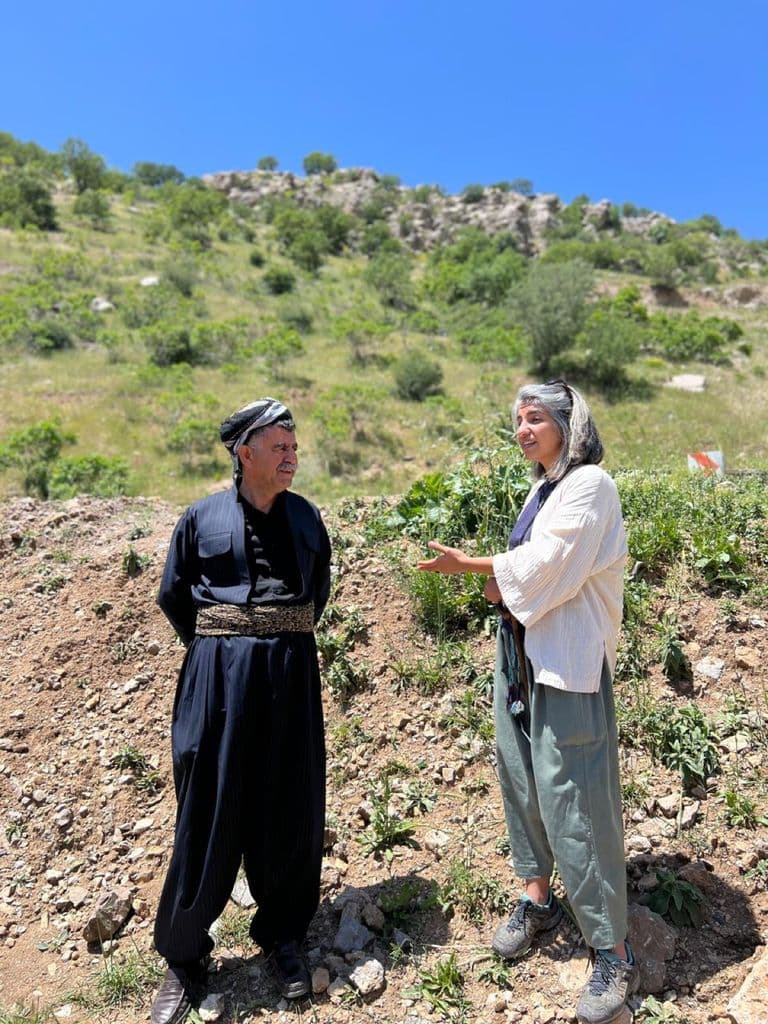
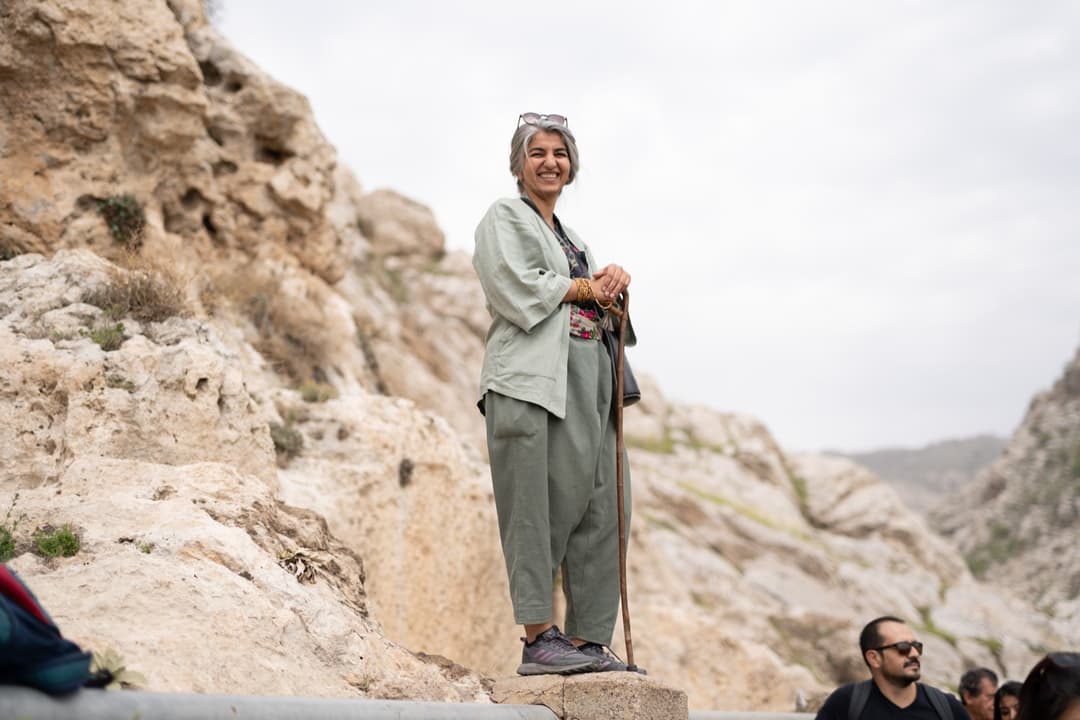
Founder and archaeologist
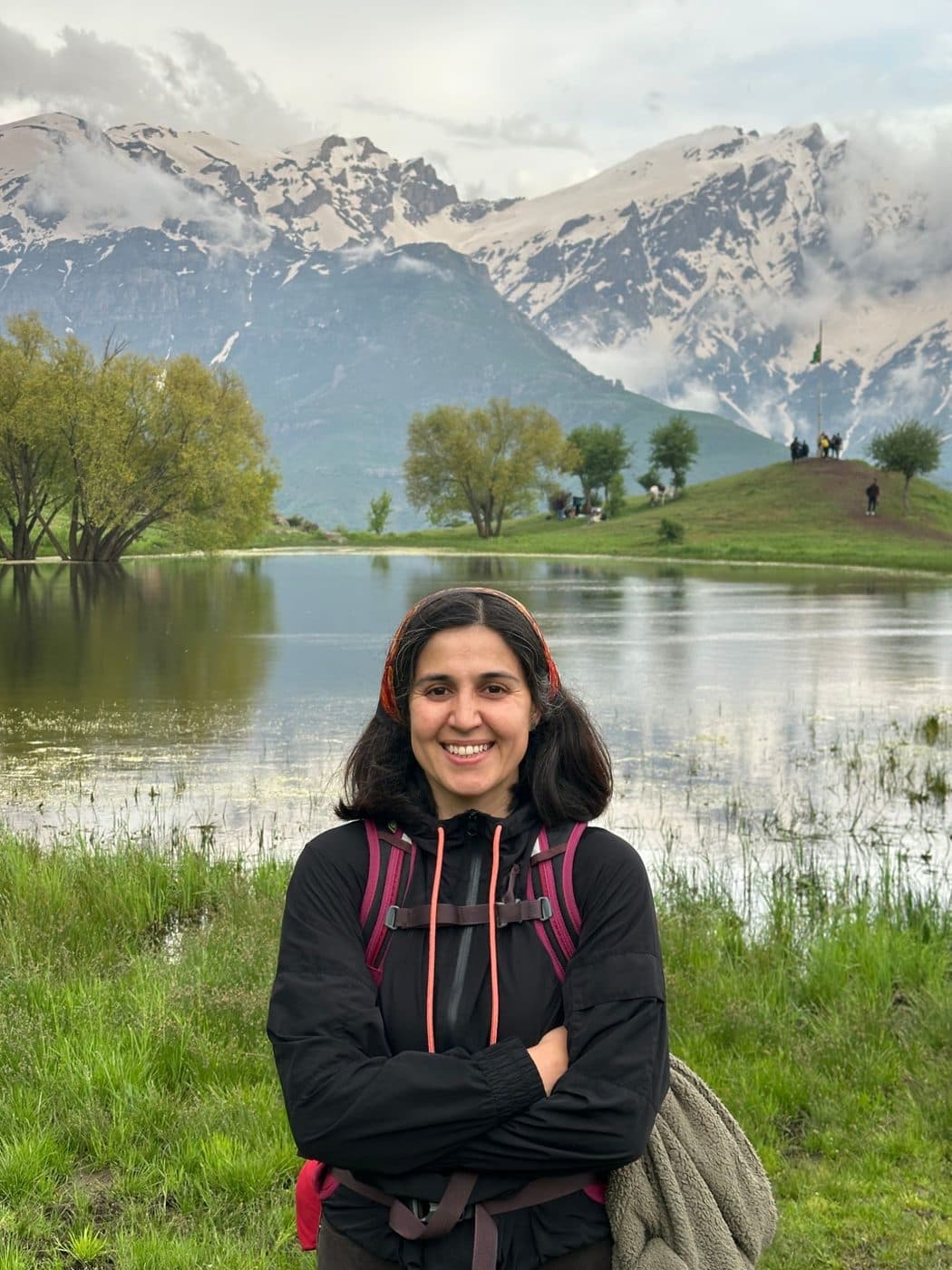
Lanah Haddad
The founder of Mesopotamia Tourism is, first and foremost, an archaeologist who has been working in the field of cultural heritage for more than 15 years.
Born in Erbil, Lanah left the war-turned country in the 1990s with her family as a child and grew up in Germany. There, she studied Ancient Near Eastern Archaeology at Goethe University Frankfurt, building her career through diverse heritage projects, from excavations, restoration, and documentation to exhibition curation.
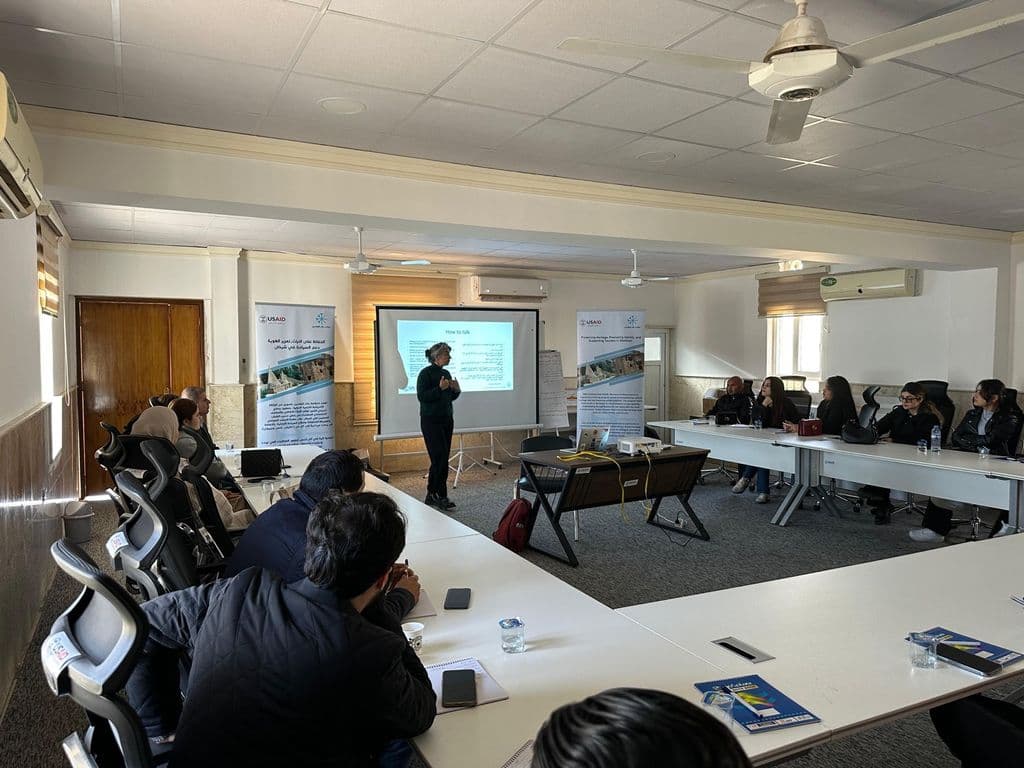
Over the years, she has published several academic articles and has been featured in different media outlets for her work in archaeology, cultural heritage, and the history of Mesopotamia.
Yet, after years of working with the past, she felt that something was still missing. Protecting cultural heritage is not only about preserving sites, objects, and monuments. It is also about creating a connection between people and the places they come from.
Her own experience of growing up between Iraq and Germany shaped this perspective. Having left her homeland as a child and later returned as an archaeologist, Lanah understands the powerful connection people can have with a place, even when they have been separated from it.
She sees tourism as an opportunity to build bridges between people, cultures, and generations, and to make the history of Mesopotamia meaningful in the present.
This is at the heart of Mesopotamia Tourism. Through its tours, Lanah passionately shares the rich history and archaeology of the region while connecting them to the landscapes, communities, and stories of today.
One of the topics closest to her is the co-existence of different faiths, languages, and communities across Mesopotamia. By connecting their stories to the archaeology and history of the region, she hopes to challenge stereotypes and encourage people to discover what they have in common.
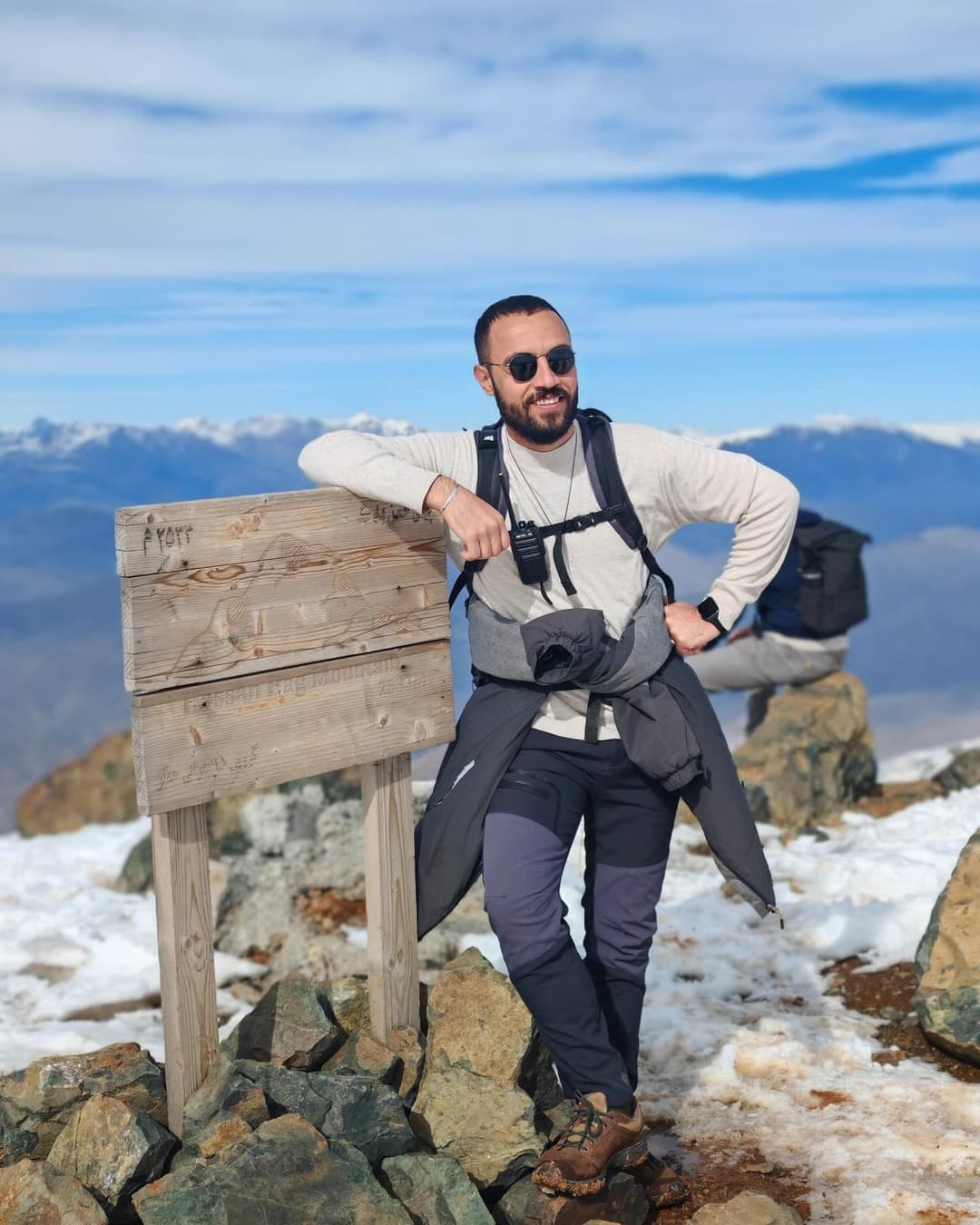
And this is not only about international visitors. For this reason it was essential for her that Mesopotamia Tourism serves not only international tourists but also the local community. Some of the most meaningful connections happen when local people from different backgrounds meet on our weekend tours, hike together, share food, exchange stories, and discover their own region through a different perspective.
For Lanah, that is what tourism can be at its best: not simply showing people a place, but creating connections between people and the land, its history, and each other.