2-Day Journey · Heritage & Landscape

Water for Nineveh

Sennacherib’s Hydraulic Empire: canals, rock reliefs and one of the earliest stone aqueducts.

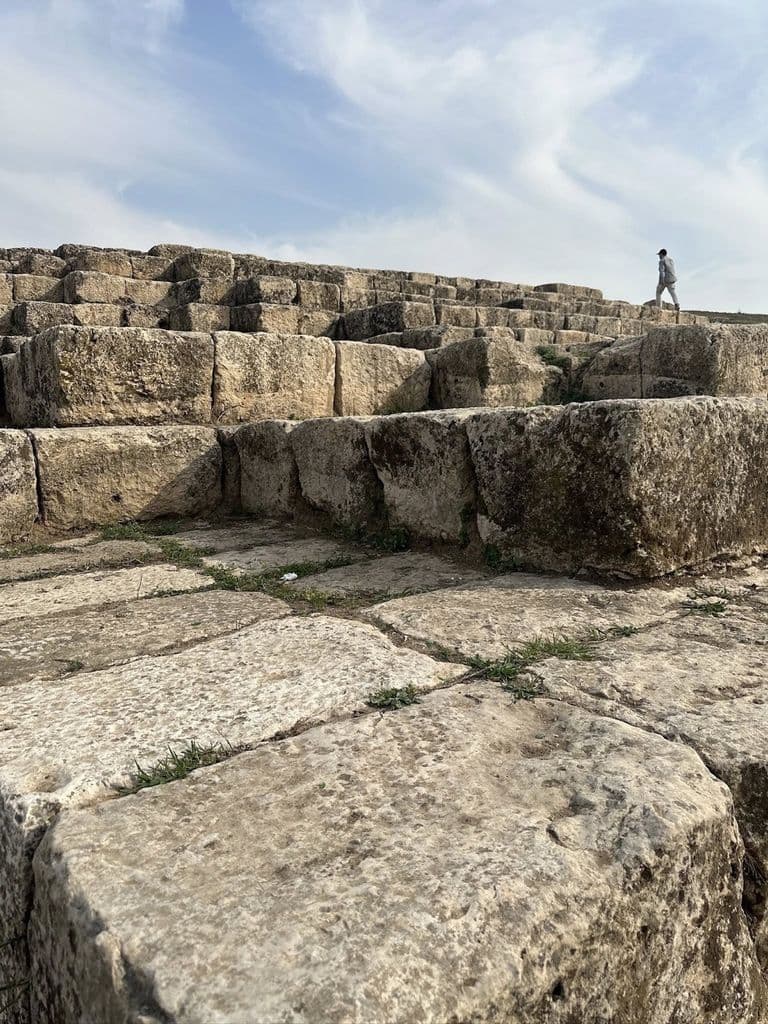
The stone blocks of the Jerwan Aqueduct

Sennacherib’s Hydraulic Empire. During this two-day journey, we explore the remarkable hydraulic system developed under King Sennacherib during the Neo-Assyrian period.

Water security was not a modern challenge. More than 2,700 years ago, the Assyrians were already developing innovative solutions to manage and transport water across the landscape. Some of these technologies and ideas were inspired by, or adapted from, neighbouring regions such as Urartu.

Sennacherib was deeply invested in securing a reliable water supply for his capital, Nineveh, and the surrounding countryside. His ambitious projects diverted and channelled water from the mountains towards the plains, supporting agriculture and the growing population of the Assyrian heartland.

Across two days, we follow traces of this ancient water network, from canals and rock-cut channels to monumental reliefs and aqueducts, and explore how water, landscape and imperial power were deeply connected.

Itinerary

2-Day Itinerary

  1. Day 1

    Duhok, Maltai, Faida & Bandawaya

    Begin by exploring the Maltai (Halamata) Reliefs, where monumental Neo-Assyrian art meets the story of Sennacherib’s hydraulic projects. Continue to Faida, following the ancient canal lined with remarkable rock reliefs, before visiting Bandawaya, where a year-round river was incorporated into the wider Assyrian water network.

    Optional: Visit Mosul Dam LakeOvernight in Duhok

  2. Day 2

    Khinnis, Jerwan & the Water Network to Nineveh

    Follow the hydraulic system towards its sources at Khinnis, where Sennacherib’s monumental reliefs and inscriptions mark the beginning of the water network. Continue to the Jerwan Aqueduct, one of the earliest known large-scale stone aqueducts, and trace how water was carried across the landscape towards the fertile plains of Nineveh.

    Optional: Visit the channel head at Bastora

Along the water network

Maltai Reliefs: Locally Known as Halamata

Carved into the cliffs above the Duhok valley at Zawa Mountain, the four Maltai rock reliefs are remarkable examples of Neo-Assyrian art. The monumental scenes show the Assyrian king before a procession of deities and are connected to the vast hydraulic system developed to bring water towards Nineveh. Dating to the early 1st millennium BCE, they offer a striking glimpse into the connection between royal power, religion and water in the Assyrian landscape.

Faida Reliefs & Water Channel

At Faida, we encounter an extraordinary combination of ancient water engineering and monumental art. Along an ancient canal, large rock reliefs were carved directly into the limestone walls, depicting the Assyrian king and divine figures.

The canal formed part of a wider hydraulic landscape developed during the Neo-Assyrian period, connecting water management with agriculture, settlement and royal power. The reliefs transform the water channel itself into a monumental statement of royal authority and control over the landscape.

Small Relief at Bandawaya

Bandawaya is a small village tucked into the first ranges of the Zagros Mountains, where several natural springs come together to form a river that flows throughout the year.

Today, it is a beloved summer destination for the local Christian community, who come to enjoy its water, shade and mountain landscape.

But the river has been part of a much older story. During the Neo-Assyrian period, part of its waters was channelled and redirected as part of the region’s ambitious hydraulic network, connecting this quiet mountain landscape to the wider water system that supported the Assyrian heartland.

Water Head at Khinnis

At Khinnis, Sennacherib left monumental rock reliefs and cuneiform inscriptions describing his ambitious water-supply projects for Nineveh.

Here, we encounter the beginning of this extraordinary hydraulic landscape, where channels were cut into the mountains to control and redirect water towards the Assyrian heartland. The site also contains some of the largest open-air rock reliefs in Iraq, bringing together engineering, royal propaganda and sacred imagery in one remarkable landscape.

Jerwan Aqueduct

The Jerwan Aqueduct is one of the earliest known large-scale stone aqueducts in history. Built during the reign of King Sennacherib as part of his vast hydraulic system, it carried water across a valley towards the canals supplying the plains around Nineveh.

Its carefully constructed stonework and thousands of carved blocks demonstrate the remarkable engineering skills of the Neo-Assyrian civilization and the enormous scale of Sennacherib’s investment in water management.

Together, Khinnis, Faida and Jerwan reveal different parts of one extraordinary system, from capturing and redirecting mountain water, to carrying it across the landscape and ultimately supplying the fertile plains around Nineveh.